

How to Immerse Yourself in the Culture of Sri Lanka - Savour the diversity of the ‘finest Island of its size in the world’
Sri Lanka has been called Taprobane by the Greeks, Serendib by the Arabs and Ceilao by the Portuguese. The names attest to the wonder of foreign travellers who stepped on its shores. Sri Lanka’s culture has been enriched by those who have lived here for centuries or just passed through. Here are some of the best ways to immerse yourself in its charm:
.jpg)
Explore its History and Ethnicities
Appreciating the culture of modern Sri Lanka means understanding how it was shaped by various communities. The main ethnic groups are Sinhalese and Tamils, followed by the Moors (descendants of Arab traders) who like the Portuguese and the Dutch after them, came for spices, gems, and pearls. The British who arrived in the 1790s valued the island for its strategic location, and their descendants are known as the Burghers. The last major group, indentured labour from South India, were brought by the British to work the coffee and tea plantations of the Central Hills.
Learn about its Religions
Religion plays an important role in the life of the people as seen in the temples, churches and mosques, often situated close to each other.
Buddhism: Theravada Buddhism is the faith of the majority Sinhalese. Its heartland is the ancient capitals of Anuradhapura and Polonnaruwa, home to Dhagobas with their images of the Buddha in massive statues carved in the rocks. Or, visit the Temple of the Tooth in Kandy to join thousands as they pay homage to the sacred tooth relic.
Hinduism: There are Devalas or Kovils dedicated to the gods of the Hindu pantheon such as Shiva, Krishna and Ganesh. The Hindu temples reflect the colourful and lively nature of Dravidian culture. Worship or poojas will be a mix of music, chants, dance, fire, the ringing of bells and loud chants of devotees.
Islam: Sri Lankan Muslims belong to the Sunni tradition. Architecturally, one of the most attractive mosques to visit is in the heart of Colombo - the Red Mosque in the Pettah.
Christianity: About 8% of the population are Roman Catholics, the legacy of Portuguese rule, found particularly in the western coastal belt from Wattala up to Chilaw.
The Three Major Languages
Sinhala is an Indo-European language spoken by the majority. Tamil is the predominant language of the North, East and in the tea plantations of the hill country, and is also spoken by the Moors. English, the language of the last colonial power, is spoken fluently by about 10% of the population, including the Indo-European community known as the Burghers.
Sample the Food
Rice is the staple Sri Lankan meal but comes in many forms. Rice and curry, yellow rice with turmeric and spices, fried rice, pulao or biriyani of the Indian and Moor communities, Lamprais - the Dutch take on rice, baked in a banana leaf and of course Kiribath or Milk Rice, cooked in coconut milk, without which no Sri Lankan festival is complete. Coconut milk is widely used in curries.
In Jaffna, the northern capital, curry is made with a rich combination of spices, onions, tomatoes and tamarind. The fiery mix of grated coconut, with powdered chilli - sambol is another favourite. Don’t miss hoppers, string hoppers, and dosai, commonly eaten for breakfast, or vattalappam and curd and treacle for dessert!
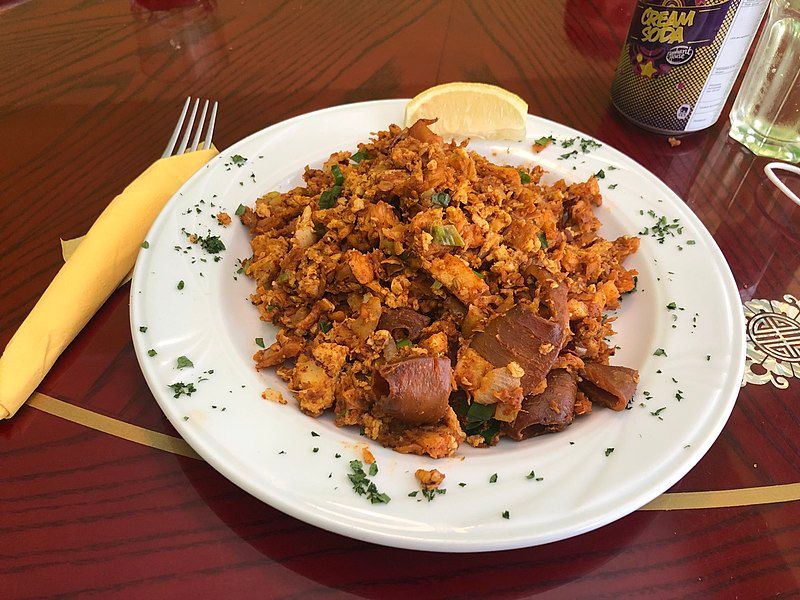
If you’re in the mood for street food, try "isso vadai" (spicy lentil cakes fried with shrimp on top) or "Kottu Roti" – shredded parata mixed with diced chicken fish, mixed vegetables and egg and served hot at Colombo’s Galle Face Green promenade.
Visit the Cultural Capitals
A visit to Colombo, Kandy, Anuradhapura and Polonnaruwa is a great way to learn about the history and heritage of the country. On the long coastal drive between Colombo and Hambantota, you’ll find some of the best beaches of the island. Sri Lanka luxury resorts are plentiful here, with hotels like Anantara Peace Haven Tangalle Resort offering a relaxing stay close to the beach. Make sure to visit Galle, with its well-preserved Dutch Fort – a must-see!
Arts, Crafts and Dance
Religious in nature, Buddhist painting and sculpture portray tales from the Jathaka stories. When in Colombo, visit the Gothami Viharaya to view frescos by the country’s best-known modern artist, George Keyt.
Kandyan dance grew out of the Sinhalese community, while Tamil classical dance is linked to the Indian Bharatha Natyam. There is also the baila, a vibrant and improvised dance form to the energetic beat of Sinhala or Tamil pop music.
Traditional crafts of Sri Lanka include brassware, hand-made lace, handloom cotton and gem-encrusted jewellery.