

How to Savour Kyoto’s Kaiseki Cuisine - A Guide to Japan’s Haute Dining
Among the ornate Buddhist temples, imperial palaces, quaint wooden houses, and magical Zen gardens, another thing that awaits the many travellers to Kyoto is the city’s authentic Kaiseki dining. Your trip to the former Japanese capital wouldn’t be complete without getting a taste of the favoured haute cuisine, especially for those foodies craving a dose of the East Asian nation’s blend of traditional flavours. Here’s your guide to everything Kaiseki on your Kyoto getaway.
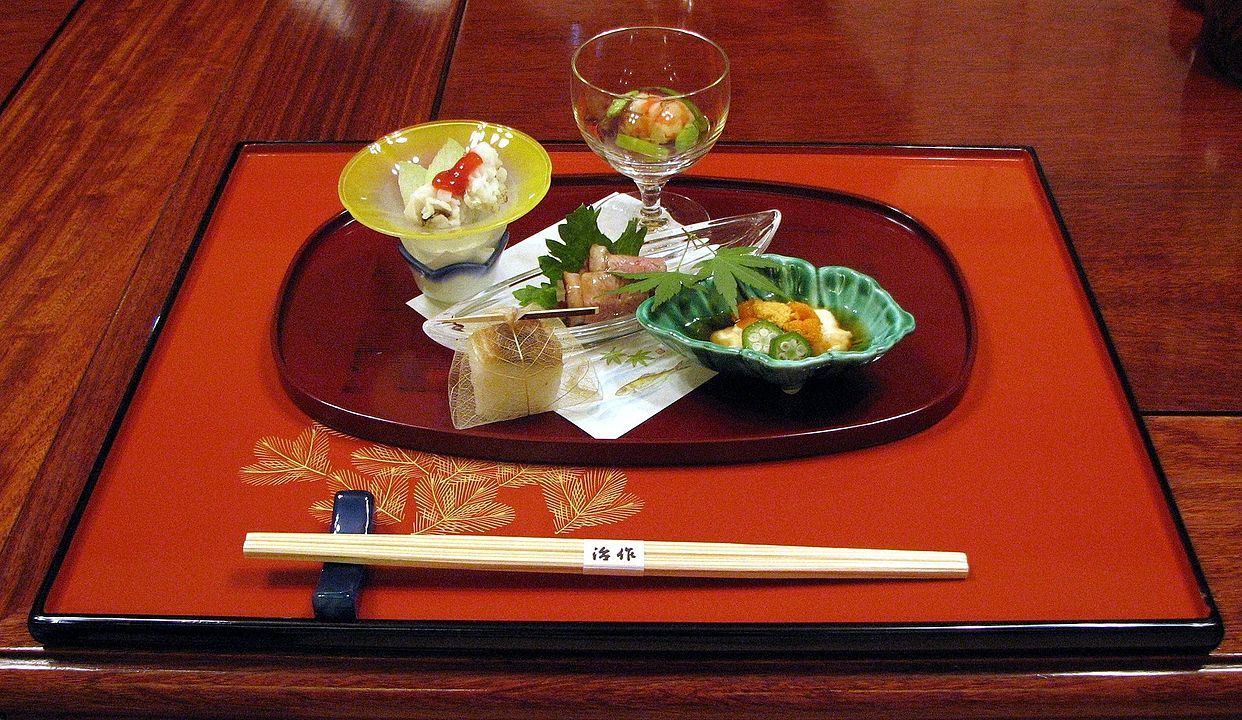

Introduction to Kaiseki
To put it in the simplest terms, Kaiseki, or kaiseki-ryōri locally, is a traditional multi-course dinner relished not just in Kyoto but throughout Japan. It’s not only the food Kaiseki refers to; the culinary skills and techniques that allow the preparation of the incredibly generous meal also add to a comprehensive Kaiseki experience. The traditional cuisine dates back to the 16th century and was introduced as an accompaniment to the classic Japanese tea ceremony. Following the evolution of the cuisine in the past few centuries, Kaiseki in modern-day Japan can be best described as a collection of high-end cooking techniques, presentation methods, and ingredients that prepare sumptuous meals served on special occasions — a Japanese’ haute cuisine, if you would.
The Courses of Kaiseki
While it may sound rather prodigal for your average meal, it is nothing out of the ordinary for a standard Kaiseki serving to have 7 to 14 courses, that are also served in a traditionally prescribed order. However, those who have had their share of experiences with Kaiseki cuisine might have come across that the names of each course are quite mutable, where the same course could be served at 2 Kaiseki places with two very different names. The following is a typical full-course Kaiseki dinner:
Shokuzen-shu - A small glass of plum wine or other similar liquor, served as a starter or an appetiser.
Saki-zuke - A second starter consisting of shrimp and a variety of local Japanese potatoes. Certainly not a surprise for a 14-course meal.
Ko-suimono - A lightweight soup course with varying ingredients.
Muko-zuke - A favourite among tourists and locals alike, Muko-zuke is a sashimi based course — the iconic Japanese delicacy consisting of thinly sliced pieces of fresh raw fish or meat.
Mushi-mono - A steamed food course, usually including the likes of conger eel, clams, mushroom, or Japanese parsley.
Yaki-mono - A grilled fish course often complemented by mushrooms and roasted nuts.
Atsu-mono - Atsu-mono, which is Japanese for "hot dish", is considered the main course and is a versatile course with varying ingredients.
Shii-zakana - A side dish often served as an accompaniment to Atsu-mono.
Gohan - Nothing but white fluffy rice — a must-have for any Japanese meal, without which it would be hardly complete.
Mizu-mono - The dessert and the final course of the meal. Mizu-mono, which translates to "water thing", usually consists of a watery Japanese dessert.
Things to Know Before Your First Kaiseki Dinner
Cost - A full-course Kaiseki dinner at a decent Kaiseki restaurant will cost somewhere between Y10,000 and Y30,000 per person excluding drinks.
Reservation - A Kaiseki restaurant isn’t necessarily a restaurant where you could just walk in and have a meal. Therefore, it is advisable to make your reservation with the help of the concierge at your hotel, especially if you are staying at one of the new hotels in Kyoto, including the likes of Travelodge Kyoto Shijo Kawaramachi.
Dress Code - While there’s no established dress code for Kaiseki, it is not exactly the type of meal that you’d want to turn up "overly casual" — meaning nothing that goes along the lines of shorts, tank tops, and flip flops. You certainly don’t have to go all fancy but a certain level of modesty is expected.