

How to Scout Dubai's Rich Cultural Heritage – A Sneak Peek into the City’s Diverse Customs and Traditions
Rich traditions, warm hospitality and diverse culture are some of the best features which make Dubai a top tourist destination. If you wish to engage in a solo travel experience or an adventurous tour with family or friends keep these pointers relating to the city’s customs and traditions in mind to make the most of your journey.
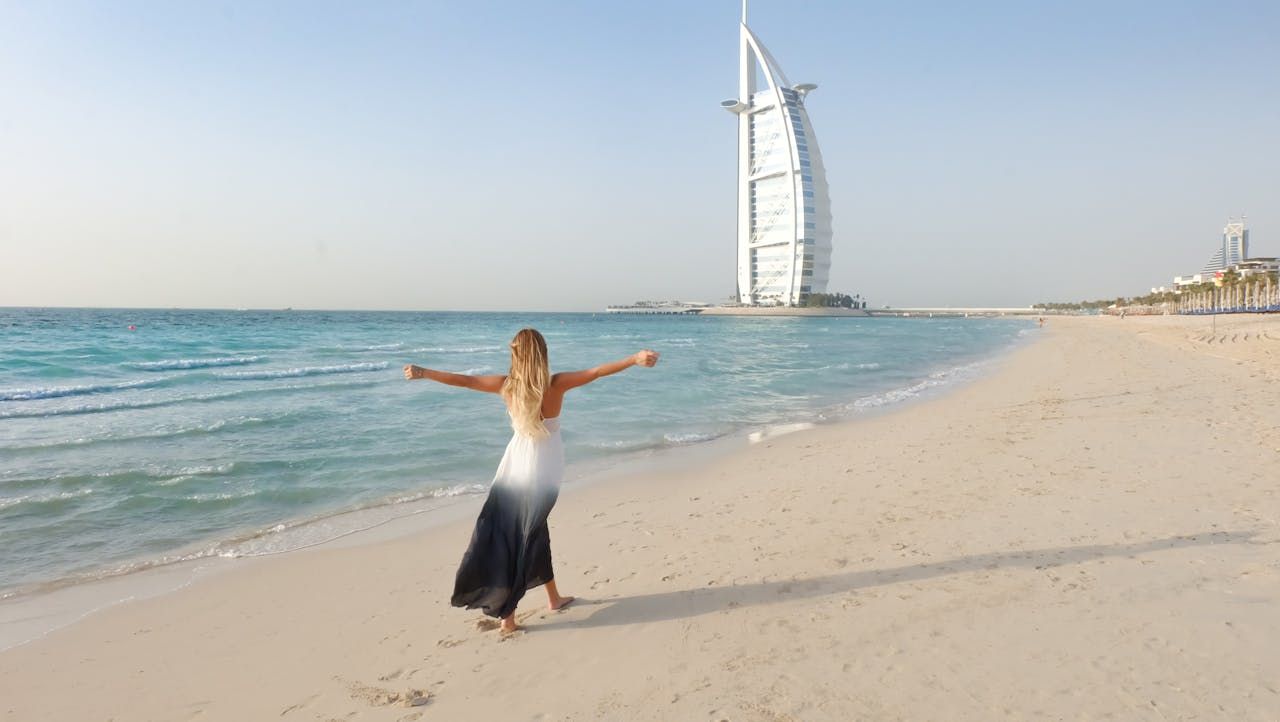
Photo by The Lazy Artist Gallery via pexels
Consider your attire
Many travellers need clarification on what kind of clothes to pack for their trip to Dubai. The locals usually dress in traditional attire which covers up their bodies and sometimes even their heads, but as long as you don modest clothes which conceal your shoulders and fall below your knees, you will be fine. There is also a misconception that the Dubai climate is hot all year round. Dubai boasts mostly of sunny weather and soaring temperatures but deserts can be chilly during some nights with the temperature dropping down to as far as 5 °C during the winter season which is from November to February. So if you plan to head there during this period, remember to take a jacket.
Follow the city’s business etiquette
Like in most parts of the world, local businessmen greet their associates with a firm handshake while standing up. It is also best to use the titles associated with the people along with their surnames when you address them. Punctuality is a must for business meetings. You also engage in a bit of small talk, inquiring about the other person or his family’s good health, before getting down to business. Maintaining a respectful tone and being polite is an essential part of the business culture. To breach these is considered offensive. You might even be jailed if you use rude terms or offensive gestures.
Be cautious about your social behaviour
Islam, UAE’s main religion, has a heavy influence on Dubai’s culture and practices. Therefore, refrain from engaging in public displays of affection in common places. Though alcohol can be purchased easily from licensed places, it is prohibited to drink in public places. Doing so could even earn you a jail sentence. The locals appreciate privacy so always inquire before taking a photograph. You need a photography permit to take pictures of some places. So find out if photography is allowed before you start snapping.
Explore the architecture and designs
One of the astounding wonders in Dubai lies in its state-of-the-art architecture. Until recent times two-storey buildings were mostly found in this city. However, today you find towering skyscrapers, high-rises and monuments with astounding designs and techniques dominating the landscape. Some of the best examples include top luxury hotels in Dubai which have used a blend of Emirati culture and contemporary grandeur as a means of attracting tourists to their premises. Take Oaks Ibn Battuta Gate Dubai for example. This opulent hotel is designed based on the journeys of the renowned explorer Ibn Battuta. Intricate designs and Arabic décor adorn the property which is equipped with elegant furnishings and modern amenities. It is only a few steps away from other architectural monuments like Gurunanak Darbar Sikh Temple and Ibn Battuta Mall.
Select some delectable delicacies to relish
The culinary legacy of Dubai is a fusion of Asian and Middle Eastern flavours. Emirati food is a global favourite today and many who visit this city spare some moments to indulge themselves in the rich assortment of goodies available. The locals eat heartily. Therefore, the meals are generally quite filling. Khuzi is dubbed the national food in the UAE. However other dishes like harees (wheat and chicken porridge), shawarmas (pita stuffed with marinated and roasted meat), kebabs (grilled meat on skewers) and falafel (deep-fried chickpea or fava bean patties) are also favourites among foreigners. Many of these dishes are spiced with a range of condiments like saffron, cinnamon, cardamom, cloves etc. Dates are an important part of the UAE’s food culture and rituals. They are frequently used as part of the meal, especially during festive occasions like Ramadan.