

What Is the Best Time to Visit Seychelles?—Best Season for Travelling
The Seychelles is the ultimate beach destination; hence, for many travellers the question of when to go is important. The answer can be varied as the archipelago can be experienced differently depending on location and time of year. This guide will help you determine the best time to visit Seychelles based on your preferences.
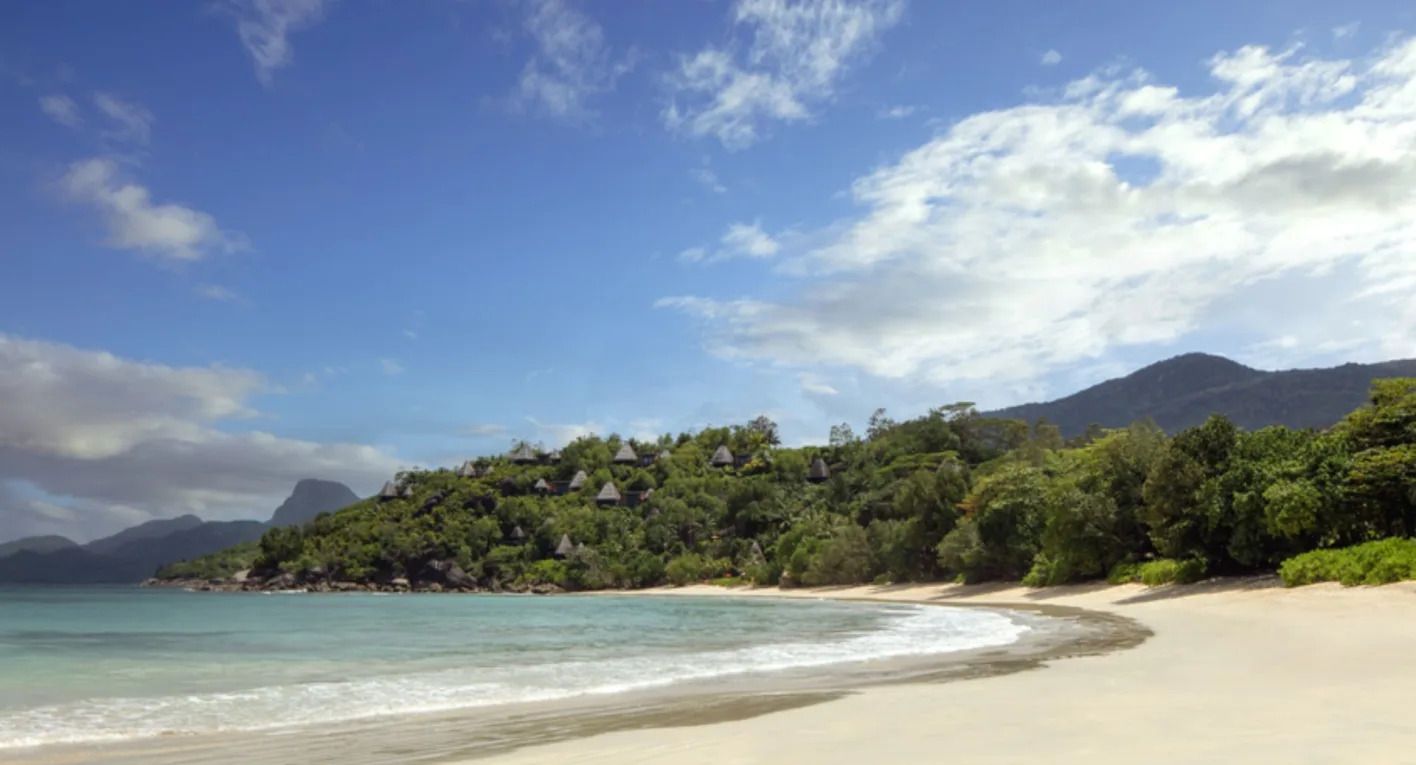
Image via Anantara Maia Seychelles Villas
What to Consider Before Booking Your Beach Resort
A part of East Africa, the Seychelles is an archipelago of over 100 islands located on the Indian Ocean. Weather patterns can vary across the islands, which makes it important to understand what to expect at different times of the year. The destination exudes tropical vibes and is a warm and inviting place for sun worshipers; however, recent changes in weather patterns, global warming, and other detrimental factors make predicting climate change around the African continent difficult. If you are considering a holiday at a top beach resort, Seychelles has plenty to offer. Plus, the popular ones will be happy to update you on the best times to travel and experience attractions on the islands. Some similar to Anantara Maia Seychelles Villas offer the best of both worlds for enjoying modern luxuries while being cocooned in the arms of nature. Such eco-friendly holidays are the best to choose when visiting Seychelles.
What's the Weather Like?
It is warm and humid there, with more sunshine than rain although there is no distinct 'dry' season in the Seychelles, so scattered showers are to be expected. The temperature on average is around 24˚ to 32˚ C, which makes swimming a favourite pastime; hence, the beach resorts in Seychelles are highly sought after.
Enjoy the Outdoors
Mahe, the capital island, is one of the best to explore. A signature feature in Seychelles is the granite hills, with some in Mahe rising to over 900 metres. Beaches too are strewn with granite boulder outcrops that in some areas form miniature wading pools. Being so close to the equator, most of the archipelago's weather patterns are governed by trade winds. So, next, here's a look at a rough guide of weather patterns based on seasonal monsoons.
South East Trade Winds
These take place from May to October and are better known as the southeast monsoon. Rainfall during this time is minimal although the sea can be a bit rough due to the strong winds while temperatures average around 27˚ C. The southeast monsoon peaks between July and August and is often chosen by travellers who want to explore the interiors of the island.
North-West Trade Winds
The onset of the northwest monsoon commences in November, this heralds in the rainy season with warm winds and a fresh scent in the air. During this time, foliage on the islands is at its stunning best and is a sight to be appreciated by all nature lovers. The monsoonal conditions peak during December and January, although, conversely, the weather is at its warmest. Rainfall is heavy with cyclonic conditions a possibility mostly toward the southern end of the archipelago where more remote islands are located.
April: the Best Month
This is the best time to visit the islands and is just before the southeast monsoon commences. The weather, you could say, is just right for swimming, exploring and enjoying your tropical holiday to the max. Although, hotel rates to may at their highest, make sure to check with your Seychelles resort about special offers and deals.
Avoiding the Seaweed
The strong trade winds often cause seaweed drifts to flock the seas, this makes swimming less pleasant, but it can be avoided. The southwest of Mahe during the southeast monsoon sees an influx of seaweed drift mostly around May to September. You may want to avoid the beaches of Côte d’Or beaches on Praslin around October and May.